Around the autumn equinox, our Healthier Habits group gathered to swap ideas on facing down the darker months. Our challenges included the urge to cancel plans and hibernate, the struggle with dark mornings, the short daylight hours that limit outdoor activities. In my case, it’s severe “Christmas Withdrawal Syndrome” that strikes from New Year’s Day onwards.
No wonder our ancestors marked midwinter with feasting and conviviality. Shared rituals, masked entertainments, fortune-telling, carol-singing and baking traditional treats all helped connect them with ancestors and community. Many of these traditions are still open to us. They remind us we’re part of something larger, not just lone strugglers through the gloom.
For ADHDers, winter darkness can hit especially hard, upsetting our circadian rhythm, sleep, focus and motivation. Some swear by special daylight lamps; others by early morning walks in natural light – without our specs, to absorb it fully. For many, reinstating a morning routine will need us to improve our evening routine too – not easy, but worthwhile. Small tweaks like experimenting with alarms, using gentle music or adjusting temperature with a bath or shower before bed can help.
Exercise is often the first thing we drop in winter, but it’s one of the best tools for mental health. A regular outdoor walk or a team sport can make all the difference. Others find the same lift in board games, pub quizzes, faith groups, choir singing or craft evenings. The real trick is accountability: arranging to meet a friend, share a lift or chum someone along makes us far more likely to show up and enjoy ourselves.
All this needs to be balanced with times of slowing down, rest and retreat, which nature is quietly urging us to do. There’s no need to fight winter and ‘power through’ as though the light and the trees were not changing. Urban life may muffle our awareness of nature, but we can seek it out and take the healing strength we need from walks in a park or by a river, for free.
Of course, there are days when duvet-time is unavoidable. If we’re unwell or overwhelmed – say with PMSS – it’s important to respect that and take time to recover, rather than force ourselves to work from home, exhausting ourselves further. But if it’s more of a “can’t be bothered” slump, a quick WhatsApp or call from an encouraging friend can provide the nudge we need.
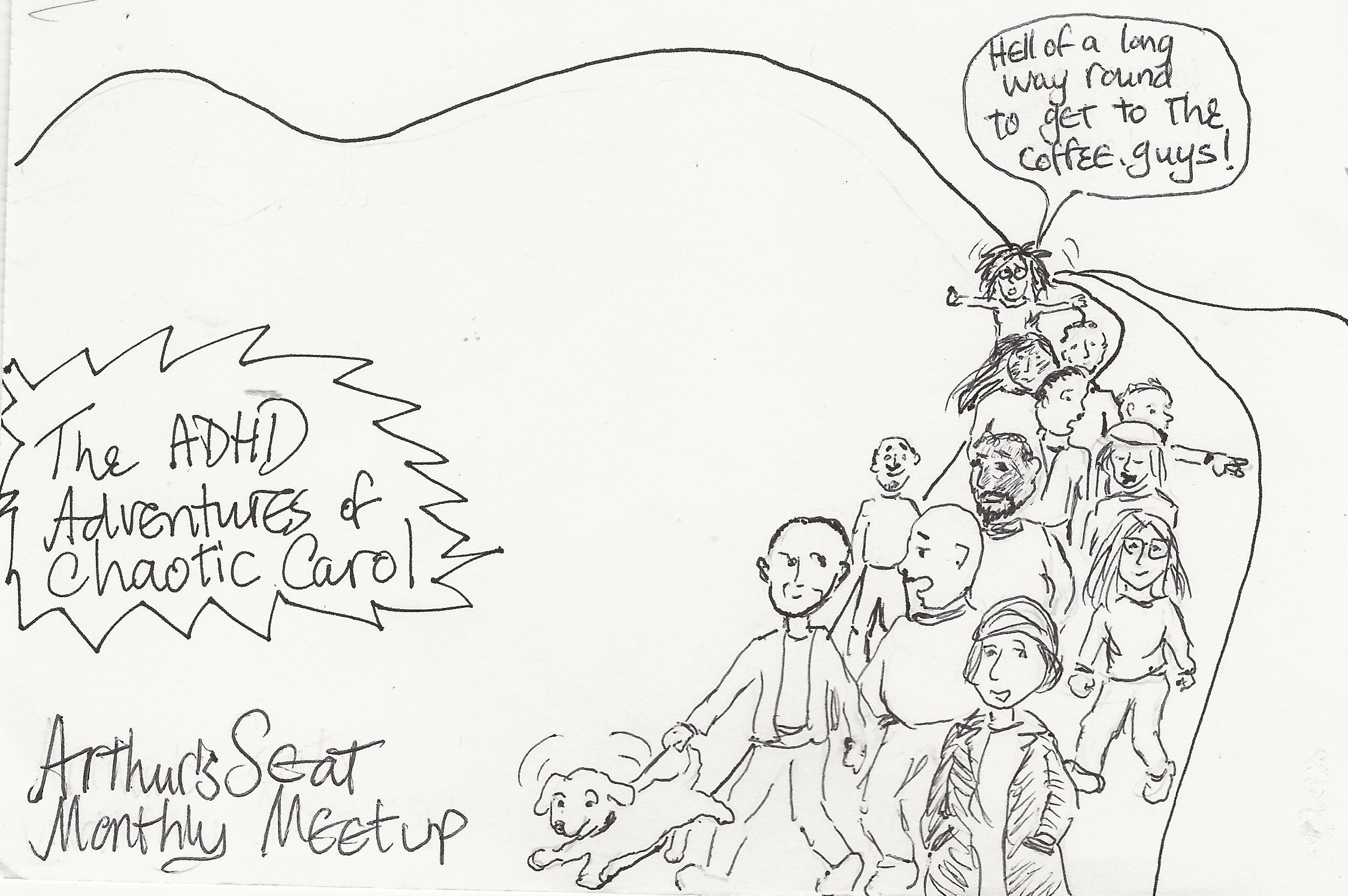
What came through strongly in our discussion was how many resources we already have. Seasonal plans, cosy environments, supportive routines and peer connection – like Procrastination Station’s monthly ADHD walks – all help sustain us in the darkest months. Even in the gloomiest days after Christmas, we’re not without tools and talents.
So, what about you? What’s your favourite way to keep spirits up when the nights draw in? Tell us what helps you thrive in winter – we’d love to share ideas and keep each other going.
Carol Stobie, Co-director, Procrastination Station CIC